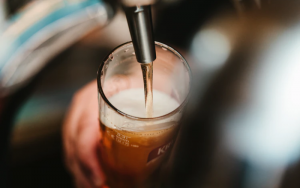
In this article, beer and food take on a different meaning as we show you the basics of cooking with beer! Yes, you heard that right. Contrary to popular belief, this popular alcoholic drink isn’t just good for washing down barbeque and grilled dishes like burgers and steak. Beer is also used as an added ingredient in all kinds of recipes, from stew dishes to cheese dips!
We’ll share with you the science, how to’s, benefits, and tips of cooking with beer. We’ll also show you 10 simple and easy beer recipes you can try at the comfort of your own home.
Why Cook With Beer: Balancing and Enhancing Flavor
Throughout the years, plenty of recipes with beer in its ingredients list have gotten popular among many foodies. Similar to using wine in many classic Italian dishes, cooking with beer recipes have a distinct taste that those without it don’t have.
However, what does cooking with beer do exactly? Simply put, adding beer to certain foods, like stews, marinade, and batter, can enhance the dish’s overall taste, thanks to beer’s own distinct, unique flavor. Some might think beer tastes bad, with many pointing to its bitter taste as the main culprit. However, you’ll be surprised at how well it enhances the flavor of dishes it’s mixed in!
Also, it’s precisely because of beer’s flavors, may it be bitterness or natural sweetness, that make it a great addition to certain kinds of foods.
What Does Beer Taste Like When Added to Dishes?
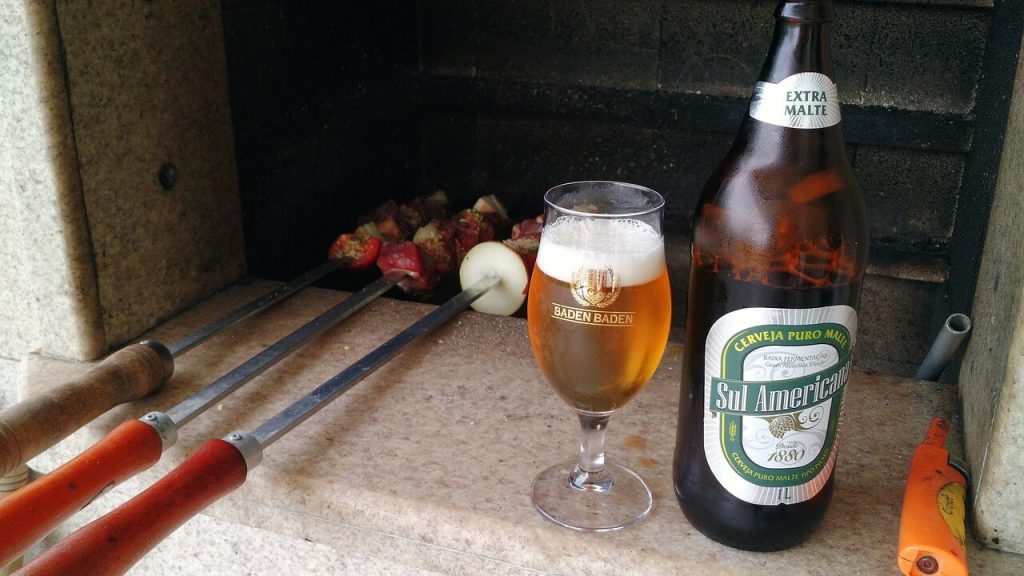
Mixing the right kind of beer with the right type of dish makes for some of the best tasting meals.
Adding beer to savory dishes, such as stews, soups, and chili, gives these foods a complementary deep and earthy flavor. Its bitter taste also helps balance the flavors of rich, creamy foods like cheese dips and fondues.
On the other hand, incorporating it in sugar-rich food and baked goods, like cake and brownies, give it a delectable caramelized flavor with a hint of nuttiness.
Bottom line: There’s a distinct difference in terms of flavor with recipes using beer versus the usual versions that don’t.
What Kinds of Beer To Use For Different Recipes
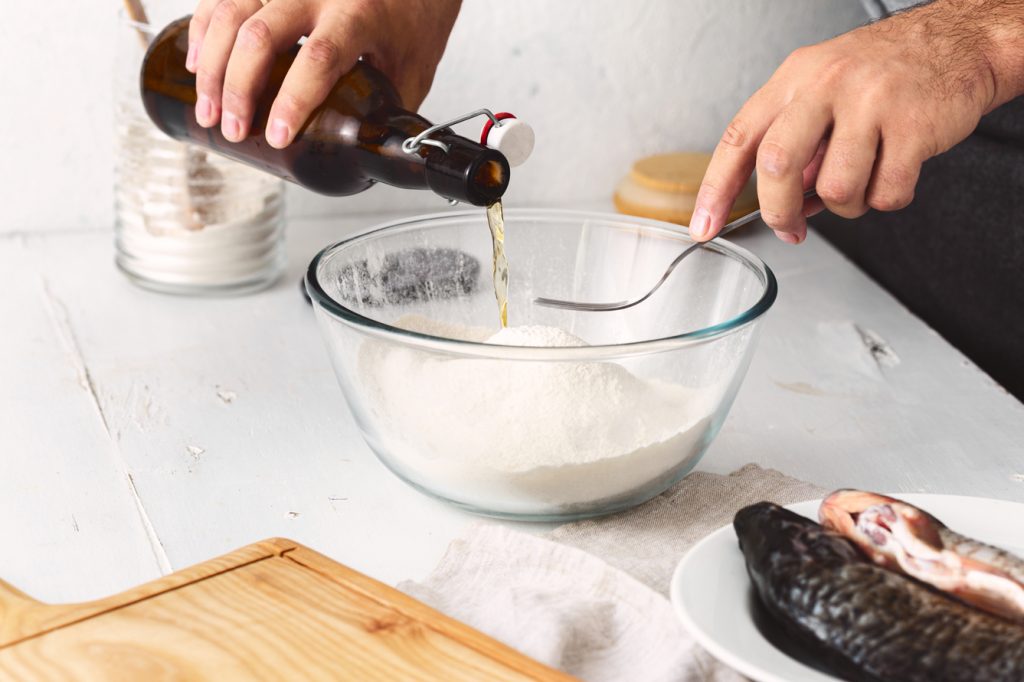
Is there a best beer to cook with? The answer to that is “it depends”. That’s because the best beer for cooking, again, depends on what kind of recipe you’re making. There’s a specific kind of beer used for the batter of savory, rich-tasting food like onion rings. There’s also another kind used for baking sweet chocolate cakes.
Different kinds of beer have different flavors, and we’re here to tell you which ones go best with which recipes. But first, it’s important to know the 2 main kinds of beer: ale and lager.
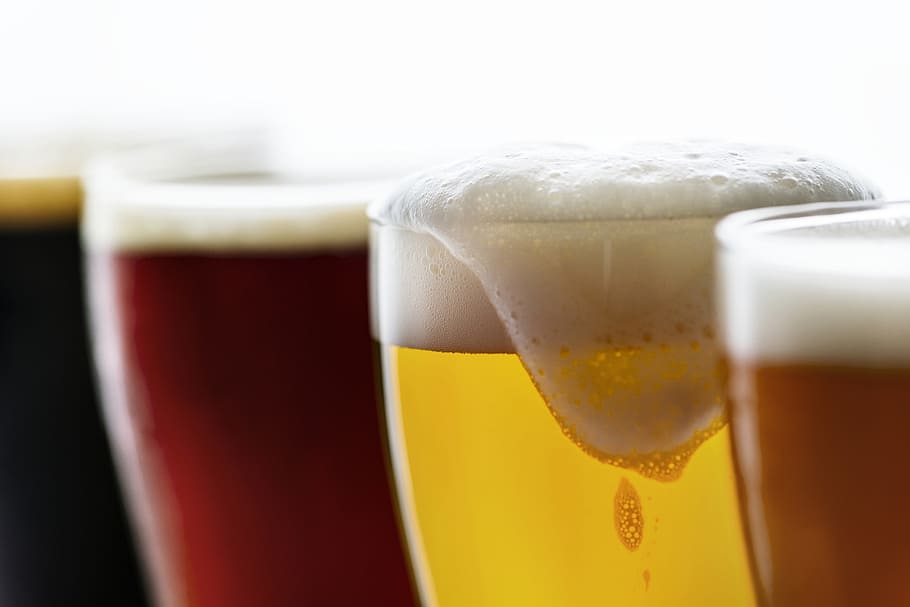
Ale is the very first and original beer, brewed using a “warm fermentation method” that gives it a sweet, fruity flavor. Lager, on the other hand, is the more modern version of beer. It’s brewed using more recent and contemporary brewing methods, giving it a light body and a dry taste.
In this article, we’ll share with you 10 easy but tasty recipes with beer in its ingredients list! With each recipe, we’ll also list the specific kind of beer you should use for a more balanced flavor. So, enjoy your beer dinner with our list of 10 Easy Beer Recipes!
Beer Batter For Fried Foods
If you’re making fish and chips or onion rings for adult friends and guests, you can try to replace the carbonated water with beer to make a crispier and more flavorful dish!
Usually, fizzy drinks, like carbonated water, are added in batter to give it body and a certain lightness. You can do the same thing with beer and it’ll result in an even tastier and crispier meal. That’s because beer is brimming with bubbles made of CO2 or carbon dioxide, which dissipate at colder temperatures. So, when beer batter hits hot frying oil, its bubbles immediately expand, giving it that signature crispy texture.
The bubbles, or foam, are also great at insulating heat. This helps in evenly cooking the food that’s coated by it. Onion rings or delicate fish cooked with beer batter are more tender and intact because they don’t get overcooked. Alcohol also dissolves faster than water, so batters with beer don’t need to be cooked as long as those without it.
Deep-fried foods taste phenomenal when mixed with either ale or lager (as long as it’s light, that’s what matters). While some use lagers, stout lager is mainly avoided as it can turn the batter into a dull shade of gray. Others use strong ales with lighter colors, since this gives the deep-fried food a wonderful golden brown color.
Beer Batter Onion Rings
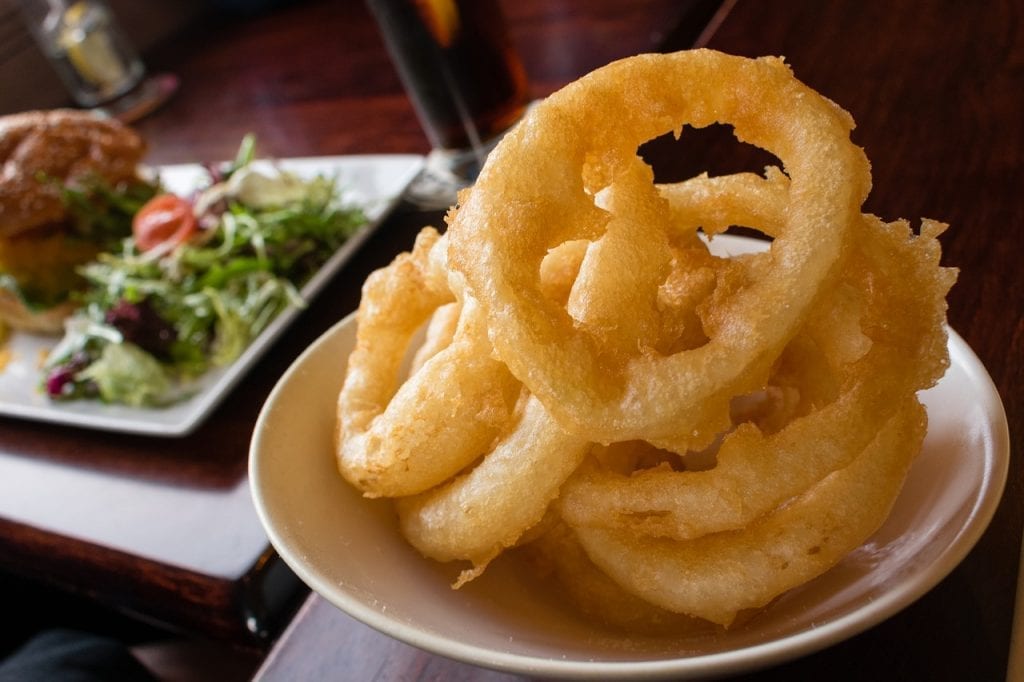
Incorporating beer in onion ring batter helps keep the onions intact when deep-frying. It also gives the dish a crispier coating. But most importantly, the beer’s natural bitter taste helps balance out the sweet flavor of caramelized onions.
Our Beer Batter Onion Rings Recipe was inspired by Sandra Lee’s version, who is most known for her Semi-Homemade concept popularized by Food Network. This onion rings beer batter recipe is incredibly easy to do on your own. It also just needs a handful of simple ingredients to boot.
In this recipe, we specifically used one cup of ale beer, preferably Bass, which is an English ale. You’ll need a Dutch oven and a cooking thermometer to make sure the heat stays at 375 degrees F. This is so that the onion rings get deep-fried properly, as any heat lower can result in soggy onion rings. You may also add a touch of paprika to give it a deeper color and a more distinct taste.
Our Beer Batter Onion Rings Recipe is perfect for game nights and movie nights. Serve it alongside a tall glass of classic Chocolate Milkshake and you’re all set! Sorry, kids. This snack is strictly for adults only!
Recipe for Inspiration: Beer Batter Onion Rings
No-Fuss Fish and Chips
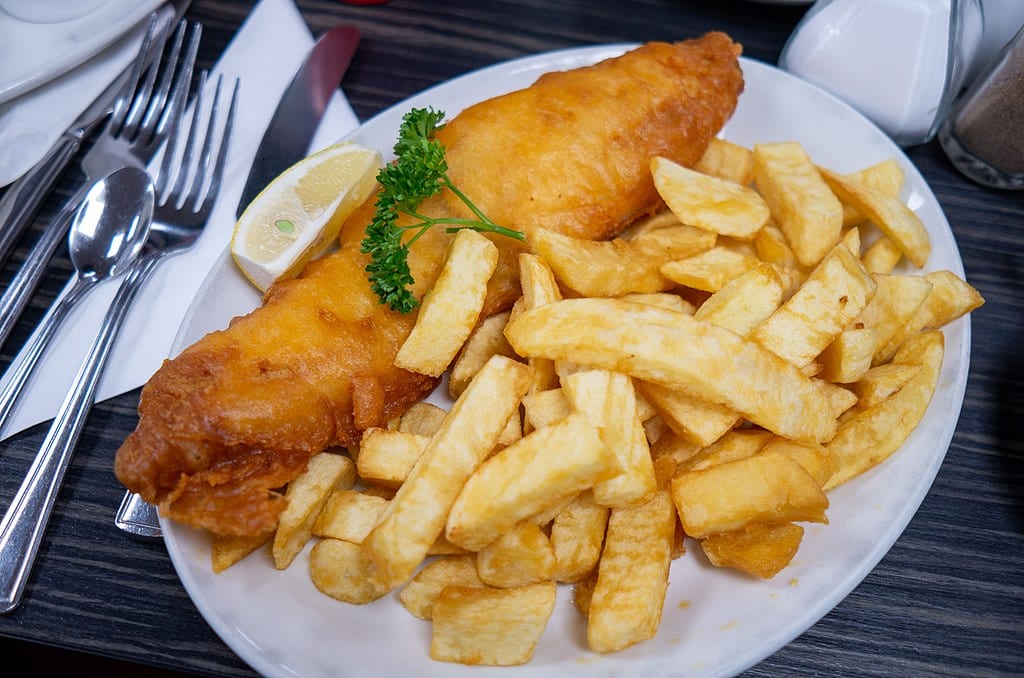
One of the most popular dishes to use beer in its batter is the well-loved fish and chips. When deep frying, beer batter helps keep the fish meat juicy and succulent, preventing it from getting dry and overcooked. Our No-Fuss Fish and Chips Recipe is perfect for an English-inspired dinner meal. It’s also really easy to make, hence the “no fuss” in its recipe name.
While some recommend using wheat ale beer, which looks pale and cloudy and mellow in flavor, our recipe recommends using dark beer. You can try using both to compare the taste. But we’re sure that whatever you whip up will make this dish a staple meal at your dinner table.
Recipe for Inspiration: No-Fuss Fish and Chips
Homemade Beer Battered Chicken Nuggets
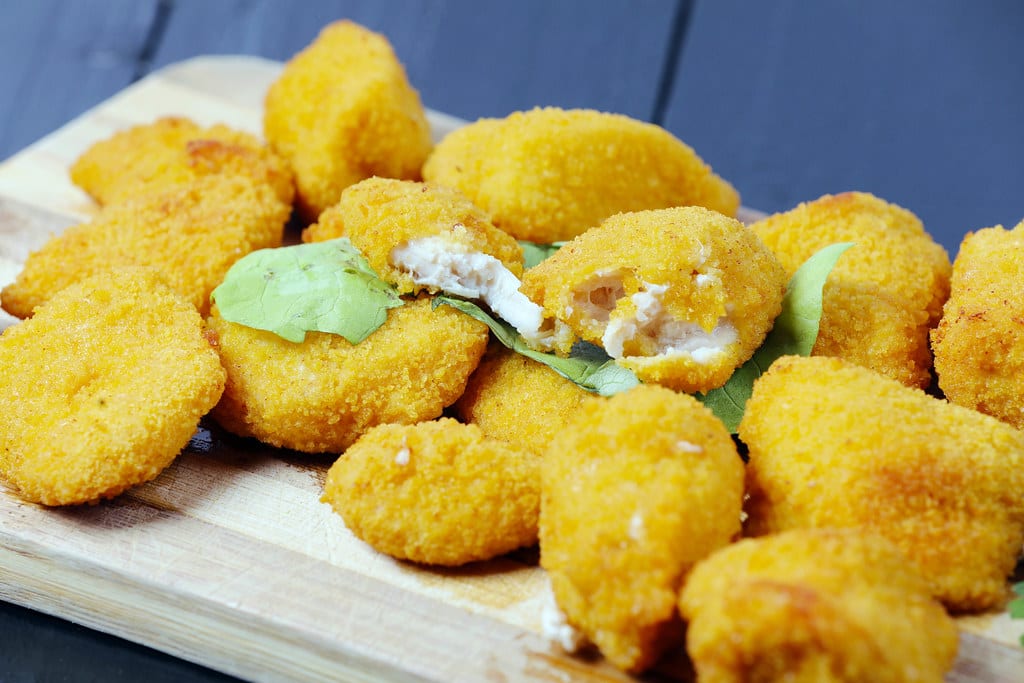
For a more unconventional cooking with beer recipe, try our Homemade Beer Battered Chicken Nuggets! Aside from using beer in its batter, this recipe also shows you how to make chicken nuggets from scratch. The chicken breasts are cut into nugget-shaped pieces and soaked in a batter of beer, all-purpose flour, egg, and salt. Simple, right?
This recipe calls for the use of any kind of beer. However, some suggest using the same wheat ale beer used for seafood when cooking chicken meat. It’s quick to whip up and has zero chemicals or preservatives added, not unlike the usual, store-bought chicken nuggets.
Recipe for Inspiration: Homemade Beer Battered Chicken Nuggets
Stews And Soups
Beer serves as a great substitute for stock or broth, which are the base for many stew and soup dishes. So in case you forget to buy some stock or broth at your next grocery run but have a can of beer lying around, then it might be high time you try cooking with beer.
Strong ale, like stout or porter, works exceptionally well with hearty stews like beef and lamb. Guinness is most popularly used for these dishes. But if you’re making a light fish or chicken stew, then it’s best to use wheat ale beer.
Buffalo Beer Chili
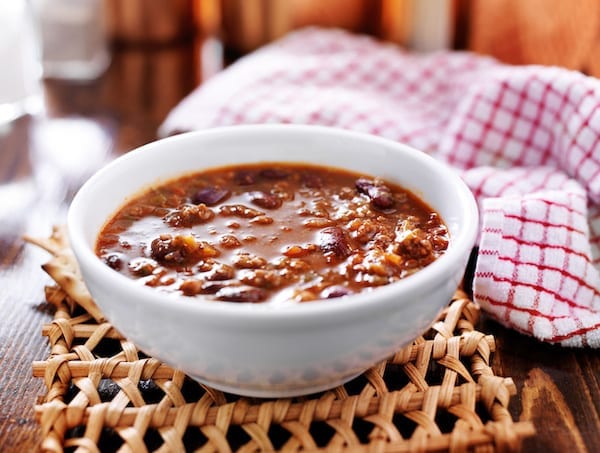
Beer is also a great addition to chili dishes like this Buffalo Beer Chili Recipe. You’ve probably come across a couple of beef stew with beer recipes already. However, this Buffalo Beer Recipe of ours is different, and not one to disappoint either.
Buffalo meat makes for a great alternative to beef; it’s leaner and has much less fat. This chili recipe of ours isn’t as hot as others, although it has loads more flavor thanks to the beer. You’ll see that the recipe actually uses non-alcoholic beer to make it more kid-friendly.
However, you can still use regular beer with alcohol. That’s because a certain percentage of it evaporates the longer you cook the dish. Still, keep in mind that it doesn’t completely go away. To know more, you can go and check our Handy Tips For Cooking With Beer section down below.
If you want to try another chili with beer recipe, then try our Boilermaker Tailgate Chili Recipe. This chili recipe gives you the usual hot dish you’re used to, and is great for eating at a tailgate.
Recipe for Inspiration: Buffalo Beer Chili
Beer Cheese Soup
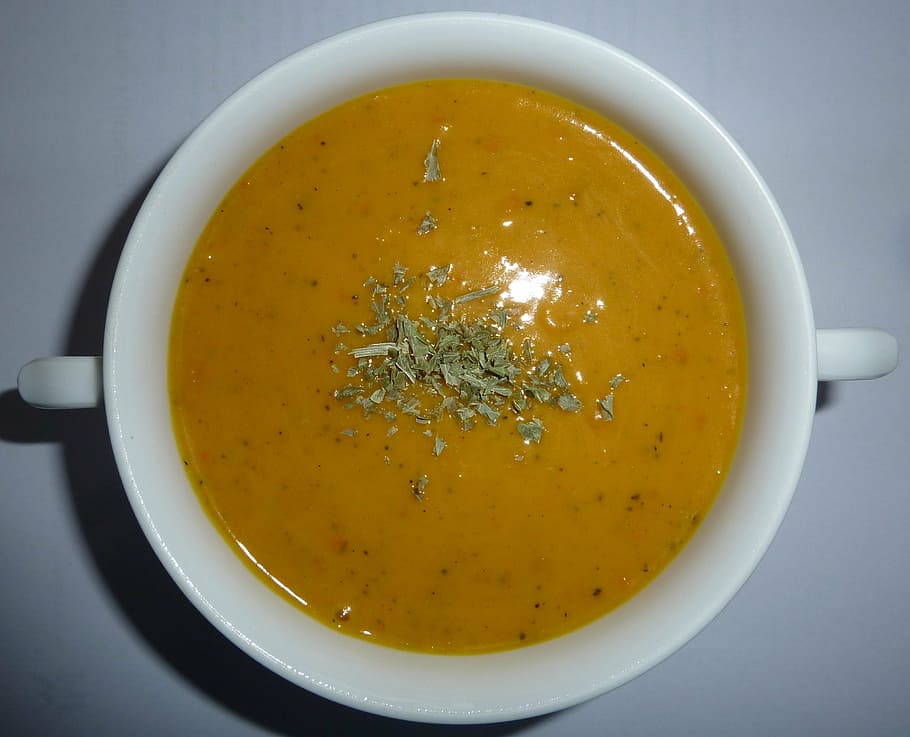
Beer’s bitter taste serves as a great balancer to cheese and creamy food like this Beer Cheese Soup Recipe. Lagers, specifically pale ones like pilsners, work great with cheddar cheese, which is the type used in this soup. It gives this warm, comforting bowl an extra kick and a full-bodied flavor. If you want to add some chunky bits, don’t be afraid to add some deep-fried bacon bits!
Recipe for Inspiration: Beer Cheese Soup
Beer As Marinade
Marinades are arguably the easiest ways to incorporate beer into a recipe. Unlike wine, beer doesn’t have as much acidity. So, it’s completely safe to leave your lamb or beef marinating overnight with beer than it is with wine.
Beer marinades also work great with steaks because they give the dish a brown, caramelized texture. Even better, it gives barbeque sauces a smoky, robust flavor.
Dark beers work great with beef steaks, and, as a general rule, wheat beer with pork, chicken, and fish.
Grilled Beer-Soaked Bratwursts

Beer brats are probably one of the most popular beer recipes, and it’s no wonder why. The iconic German sausage, Bratwurst, tastes great when paired with a cold beer. But dipping them in a beer-infused barbeque sauce, like we do in our Grilled Beer-Soaked Bratwursts Recipe, makes them taste divine.
This beer brats recipe is very straightforward to do. Just soak the sausages in the sauce, and grill them to a wonderful brown perfection. The go-to beer for beer brats are lagers, specifically pale ones like pilsners. You can use any particular brand you want, just as long as it’s a pale ale. These beer-soaked then grilled sausages make for a great barbeque with adult friends and family.
Recipe for Inspiration: Grilled Beer-Soaked Bratwursts
Outback Steakhouse-Inspired Steak Marinade
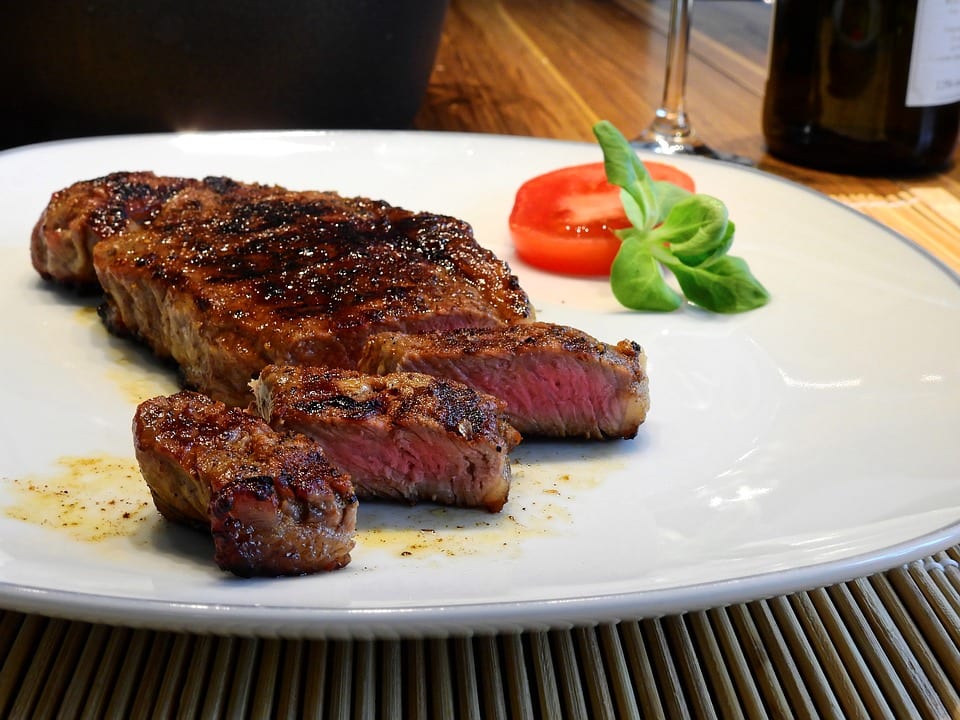
Food establishments like Outback Steakhouse also use beer in their steak marinades! In this Outback Steakhouse-Inspired Steak Marinade Recipe, we’ll be using an ale beer in making a marinade for succulent steaks. The result will be a smoky and flavorful dish that’s great for fancy dinners with friends or your significant other.
Recipe for Inspiration: Outback Steakhouse-Inspired Steak Marinade
Beer Dips And Sauces
You can also add beer to countless dips and sauces! It gives cheese dips a significant flavor boost, almost like umami. You can also add them to salad dressings for an extra kick! Both pale beer, like IPA (Indian Pale Ale) and wheat beer, and dark beer like stout can work, depending on what kind of salad you’re making.
Kentucky Beer Cheese
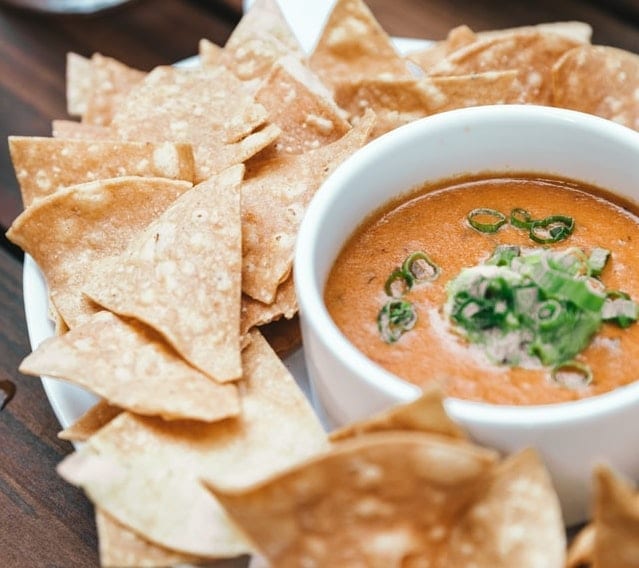
Beer cheese dips are a staple in Kentucky, and our Kentucky Beer Cheese Recipe recreates that local delicacy! This cheese dip tastes addicting paired with all kinds of chips, from corn to potato, as well as fries and even garlic bread.
Recipe for Inspiration: Kentucky Beer Cheese
German Potato Salad with Beer Dressing
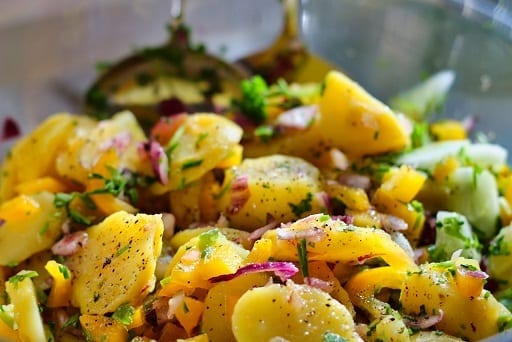
Enjoy making our German Potato Salad with Beer Dressing Recipe for summer! It’s the time when salads really hit the spot best, and nothing beats adding beer to make for a tasty dressing. When pairing with potatoes, the best kinds of beer to use are the sweet ones. Namely, beer with notes of herbal, floral, or fruity flavors. This gives the salad an extra boost of flavor that you never knew you could taste with these kinds of dishes!
Recipe for Inspiration: German Potato Salad with Beer Dressing
Using Beer In Baking
Beer is also popularly used in baking cakes and breads. The science behind how beer enhances the overall quality of baked goods is similar with what happens with batter. And you might be surprised to find out that beer also has a leavening agent, namely yeast! If you’re a seasoned baker, you’ll know that yeast helps to give baked goods a “rise” and a softer texture.
If you’re new at baking with beer, we suggest you start with dark ales like porters and stouts. Making any chocolate goodies? Go for the darker stout beer, as the chocolatey goodness is even more enhanced by the darkness of the beer.
Beer Cake
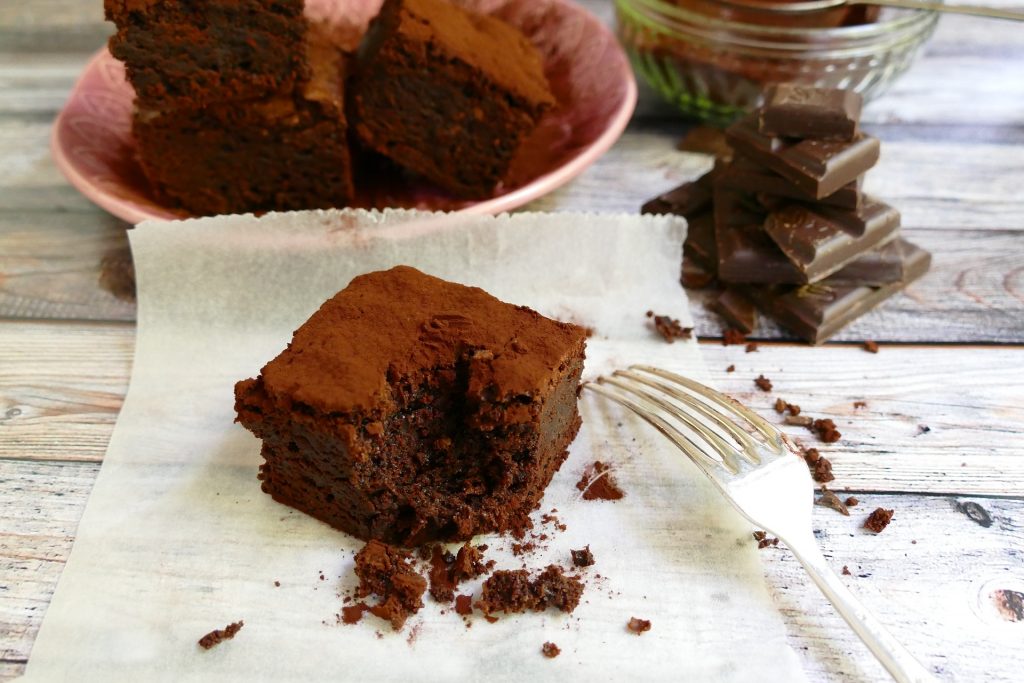
If you’re curious about how beer-infused baked goods taste like, then give our scrumptious Beer Cake Recipe a try! This delicious chocolate cake is made even more irresistible, with its deep chocolate flavors brought out and complemented by beer’s dark notes. It’s easy to bake and guaranteed to be devilishly good.
Recipe for Inspiration: Beer Cake
Handy Tips For Cooking With Beer
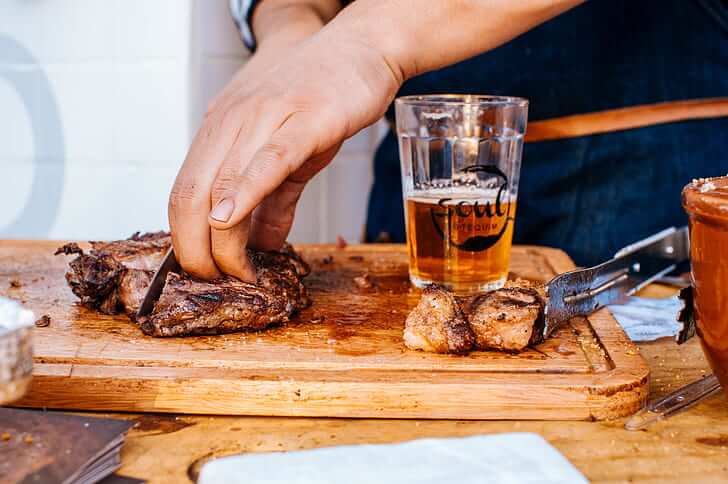
It can be quite tricky to use beer in recipes, especially if you’re a beginner home chef. There’s a certain art to using alcoholic beverages in food recipes, may it be beer or wine. However, as long as you remember our basic tips when cooking with beer, you won’t have much to worry about.
Always Use Fresh Beer
Rule number one, always use fresh beer! While no negative side effects have been reported when using stale beer in cooking (that we know of), it doesn’t really taste as good and won’t bring much flavor to your dish.
Which brings us to our next tip!
Use The Right And Familiar Kind Of Beer
We’ve been saying that you should pair the right kind of beer with the right kind of dishes. The general rule is:
- Pale beer, like wheat beer, is good for chicken and seafood. Pilsners balance out the taste of cheese.
- Strong beers, like porters and stouts, are great for beef, pork, and lamb. They also taste good when used in chocolate dessert recipes!
However, one other rule that you should keep in mind is that you should never use a beer you wouldn’t drink in your recipe. That’s because you will still taste the flavors of the beer in your dish when they’ve done cooking. So, of course, it’s best to stick with one that you’re familiar with and love the taste of. Just remember to use the right kind!
Keep Note Of ABV (Alcohol By Volume)
When choosing the right kind of beer, one of the things you should look out for is its ABV (alcohol by volume). Beers with a high ABV will have a stronger, more bitter taste compared to those with a low ABV. When cooking, beers with low ABV also blend more easily into your dish.
Sometimes, you might have a beer you would really like to use, although its ABV is high. You can try reducing the beer first before adding it in your recipe, so that some of its alcohol can evaporate.
Be Careful When Reducing
However, do be careful when reducing beer! As it cooks and reduces, beer’s flavor gets more concentrated, stronger and far more bitter. Beers that are already naturally bitter, like IPAs, can become even more so when reduced.
The solution to this is to pick a beer with “less hops”, as they are more mild-flavored. If you’re new to cooking with beer, then you should consider using light beers first. Don’t worry, it’s just until you get the hang of it!
Beer Cooking Myths Debunked: Does Alcohol Cook Out Or Burn Off When Cooking With Beer?
Unfortunately, it doesn’t. The alcohol in beer does get lessened the longer it cooks. But there will still be a small percentage of it left by the time your dish finishes cooking.
Using Homemade Beer
If you’re interested in making your own homemade beer for these dishes, you can always try some simple beer recipes for beginners first! Like all alcoholic drinks, there’s an art to brewing your own beer. But once you get the hang of it, it’ll be easier to experiment with beer flavor and how it can affect the dish’s taste.
Final Thoughts
Beer is an underutilized but great ingredient to use when cooking certain recipes! They balance and add flavor, and give dishes an unexpected depth. Try some of our beer recipes to find out for yourself how better food tastes when cooked with beer!
Was this page helpful?
Read Next: 7 Amazing Health Benefits of Tulsi Tea (and its Side Effects)
Naomi Blue
Naomi is a writer, editor, and manga enthusiast. She has written for various websites, events, and ad commercials. She is also an avid fan of street food and food history. She’s currently in her Japanese and Indonesian food phase and is interested in exploring Vietnamese cuisine next.
Related Articles